

Back to Mordants and Additives

Oxalic acid
$6.00 – $10.80
Used occasionally as an ASSIST in natural dyeing. Oxalic acid will alter the shades of cochineal dyebaths, pushing them towards brilliant orange-red.
Also used to help absorption of Tin when premordanting. Dissolve with the tin in hot water at 2% WOF then add to premordanting water, mix and enter fibre.
TO USE: with cochineal baths, use at 2% WOF (weight of fibre). Dissolve first in hot water then mix into dyebath before entering fibre.
Dispose of spent dyebath on the ground.
CAUTION: POISON!!! Wear a mask when handling powders, absolutely wear gloves at every stage with Oxalic acid. MUST BE DONE OUTDOORS: fumes can be an extreme irritant.
Related products

Calcium carbonate (Chalk)
Used as a DYE ASSIST or MODIFIER in natural dyeing. Chalk can help to boost the colour uptake on certain dyes, including Madder, Munjeet and Weld, enabling more pigment to bond with the fibres by creating less acidic conditions.
TO USE: calculate amount required for .5% WOF (weight of fibre), which means half a percent. Approximately 1 teaspoon per pound of fibre. Weigh and dissolve in hot water. Add to dyebath before entering fibre. For silk, stir into dyebath after dyeing is complete and taken off the heat, then soak fibre overnight.
Dye solutions containing chalk may be safely disposed of down the drain or just poured outside in the garden.
CAUTION: wear a mask when handling powders.
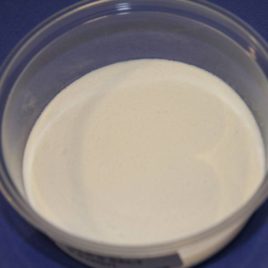
Glauber’s salt
Sodium sulphate. Used as a LEVELLER in both synthetic and natural dyeing.
Glauber's salt slows down the colour uptake of the dye, encouraging more even and level strike. This is particularly useful when dyeing soft pastel shades.
TO USE: Calculate amount required for 10 to 50% WOF (weight of fibre), lower amounts for softer shades, higher amounts for deeper colours. Dissolve in hot water and add in stages during dyeing, as the bath temperature rises but before dye strikes.
Dispose of spent dyebath in your usual way. Down the drain is fine.
CAUTION: wear a mask when handling powders.

Aluminum acetate
May 26/22 - back in stock, finally!
Used as a MORDANT in natural dyeing, which allows the plant pigments to bond with the fibres.
NOT THE SAME AS ALUM!! Aluminum acetate is used as a one-step mordant on cellulose (plant) fibres such as cotton, linen and well worth experimenting with on rayon fibres (including Tencel), bamboo, ramie, hemp and others. This is a more expensive but faster means to get natural dyes to stick without the more traditional alum/tannic acid premordanting method.
TO USE: weigh dry fibre and scour if needed (especially cotton). Calculate mordant required for 5% WOF (weight of fibre). Weigh and dissolve in hot water. Fill pot with sufficient water for the fibre to move, add mordant and stir. Enter fibre. Bring to 190-200°F and hold 1 hour. Stir yarns frequently. Cool overnight, then wash well. Dye immediately or dry for later.
Spent mordant solution may be safely disposed of down the drain (except for septic systems). It also may be diluted and poured on the ground, for instance on a gravel driveway or path.
CAUTION: wear a mask when handling powders. Wear gloves when handling powder or solutions, particularly when rinsing or handling wet yarns. Best done outdoors or with very good ventilation.
Tin Mordant
Used as a MORDANT in natural dyeing, which allows the plant pigments to bond with the fibres.
Tin (Stannous chloride) brightens colours and really makes them "pop". However, it is one of the trickier mordants to use, and rather expensive. Some dyers prefer to premordant with tin, while many simply add "a pinch" at the end of the dye process, and heat the fibre for another fifteen minutes or so, cool and then rinse as usual. The amount recommended for this is only 25% of the usual premordanting amounts, below.
Used mainly on protein fibres such as wool, alpaca, silk. Tin can make fibre feel harsh and brittle, so do not exceed the recommended amounts. Yarns can also easily scorch during tin premordanting. Do not pack the pot too full of fibre! An upturned rack, marbles or stones can help keep yarns off the bottom of your pot.
TO USE: Weigh fibre. Calculate mordant required for .5 to 2% WOF (weight of fibre). Weigh tin and dissolve in hot water. Fill pot with sufficient water for the fibre to move, add tin and stir. Enter fibre. Bring to 180-200°F and hold 1 hour. Stir yarns frequently. Cool, remove fibre and wash well. Dye immediately or dry for later. Some dyers add cream of tartar at 5-10% WOF with tin.
Spent mordant solution may be safely disposed of by pouring in a gravel driveway or path.
CAUTION: wear a mask when handling powders. Wear gloves when using tin, as it can be absorbed by the skin. BEST DONE OUTDOORS or with very good ventilation. Avoid breathing fumes.