Back to Natural Dyes
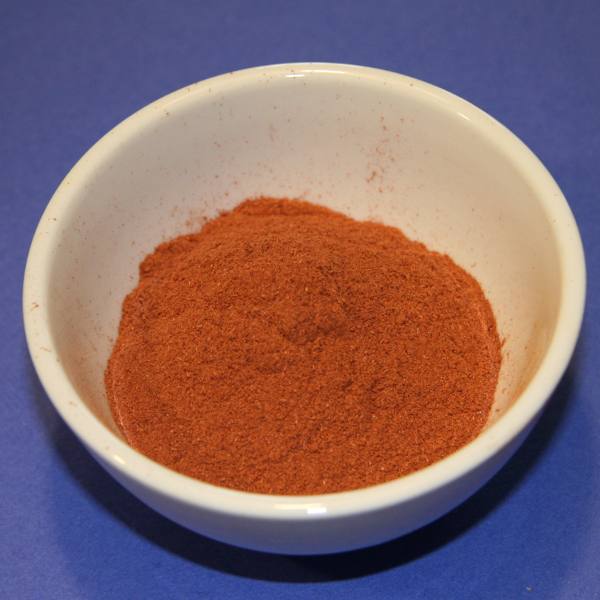
Munjeet, Ground
$4.40 – $18.00
Ground dried roots of Rubia cordifolia, also called Indian Madder. A very close cousin to regular Madder.
Use on protein or cellulose fibres. Pre-mordanting recommended. Produces dramatic reds, crimson and coral/salmon. Basically follow a recipe for regular Madder. Use at 50-100% WOF for medium shades.
TO USE: simmer in water below 185°F for 30 minutes. Cool overnight, then repeat simmer and strain. Add more water and enter pre-mordanted fibre. Hold below 158°F for one hour. Higher temperatures produce browns.
Light and washfastness: excellent
Related products

Indigo, Natural Ground
PLEASE NOTE: Indigo dyeing is an art and science that you need to research ahead of time. It is NOT handled like any of the other natural dyes, by simmering on the stove!!
Finely ground powder from Indigofera tinctoria.
Use on protein or cellulose fibres. A vat dye, Indigo must be handled in a special way in order for the complex chemical process to occur. It produces a gorgeous range of true blue shades, depending on how many dips are done and how much indigo is used in the vat. The indigo magic will not work with the standard methods used for other natural dyes.
TO USE: follow one of the many recipes for setting up an Indigo vat. The internet is a good search source. We stock some of the supplies needed, depending on the method. Thiourea dioxide and Soda Ash are the two most commonly used ingredients, which we stock. Lye is also used sometimes, and due to its caustic nature we will not stock it: any good hardware store sells lye in with the cleaning products. We highly recommend looking at the pdf tutorials on Indigo at www.maiwa.com
Light and washfastness: excellent.

Henna powder
A powder made from the dried leaves of a shrub, Lawsonia inermis, used for centuries as a hair and skin dye in many cultures.
Used mainly on protein fibres but also effective on premordanted cellulose fibres. Substantive on wool (no mordant required) but mordants may improve lightfast qualities and copper, iron or tin will alter the resulting colours. By itself Henna produces shades of tan through brown to orange-brown or gold can also be achieved.Use at 50% WOF for medium to strong shades.
TO USE: probably best soaked in water overnight. Simmer 1 hour in soaking liquid. Cool, strain then simmer premordanted fibre for 30-60 minutes.
Light and washfastness: we're not sure yet, but probably pretty good.

Cochineal, Whole
Whole dried insects.
A scale insect native to Mexico/Central America that feeds exclusively on prickly-pear cactus. Cochineal is a very common source of red food colour with a long historical use. No mordant is required although they will extend the colour range in interesting ways. Use at 3-10% WOF for medium, 10-20% WOF for strong shades. Cochineal is expensive but very generous and can easily give 8 or more successive dips from the same dyebath. Have plenty of fibre ready and waiting!
TO USE: grind finely in a coffee grinder (Cochineal is non-toxic but may stain your next pot of coffee). Soak overnight in cold water with 5% Cream of Tartar to WOF. Simmer 15 minutes, cool and strain -- we find a sieve lined with moist paper towel does the trick. Return to pot, add more water if necessary then enter the fibre and simmer for 35 to 45 minutes.
Light/washfastness: excellent

Madder, Ground
Dried roots of Rubia tinctoria, ground but not into fine dust. We have been once again been able to source true Madder, not Indian Madder.
Use on protein or cellulose fibres. Pre-mordanting recommended. A classic dye, giving dramatic reds, brick-reds to orange and coral. Use at 50-100% WOF (weight of fibre) for medium shades.
TO USE: simmer in water below 185°F for 30 minutes. Cool overnight, then repeat simmer and strain. Add more water and enter pre-mordanted fibre. Hold below 158°F for one hour. Higher temperatures may produce browns rather than oranges or reds, so try to avoid bringing to a high simmer or boil. Ground madder is much easier to work with than the whole dried roots..
Light and washfastness: excellent.