Back to Mordants and Additives

Oxalic acid
$6.00 – $10.80
Used occasionally as an ASSIST in natural dyeing. Oxalic acid will alter the shades of cochineal dyebaths, pushing them towards brilliant orange-red.
Also used to help absorption of Tin when premordanting. Dissolve with the tin in hot water at 2% WOF then add to premordanting water, mix and enter fibre.
TO USE: with cochineal baths, use at 2% WOF (weight of fibre). Dissolve first in hot water then mix into dyebath before entering fibre.
Dispose of spent dyebath on the ground.
CAUTION: POISON!!! Wear a mask when handling powders, absolutely wear gloves at every stage with Oxalic acid. MUST BE DONE OUTDOORS: fumes can be an extreme irritant.
Related products

Copper sulphate
Used as a MORDANT in natural dyeing, which allows the plant pigments to bond with the fibres.
Copper tends to take the dyed yarn colours towards the brown and green ends of the spectrum. A natural dye that comes out bright yellow with an Alum mordant will look very different with copper.
Used mainly on protein fibres such as wool, alpaca, silk. Although we love to use copper as a premordant, many dyers simply use it after dyeing to push the colours a different direction. To do this, add only 25% by weight of the usual premordanting amounts. Dissolve in hot water. Remove fibre from the dyebath, stir in the copper solution, re-enter the fibre and heat for another 15 minutes. Cool and rinse as usual.
TO USE: weigh the dry fibre. Calculate mordant required for 2% WOF (weight of fibre) and white vinegar at 40ml per 100g fibre. Weigh copper and dissolve in hot water. Fill pot with sufficient water for the fibre to move, add copper, vinegar and stir. Enter fibre. Bring to 180-200 deg F and hold 1 hour. Stir yarns frequently. Cool overnight, then wash well. Dye fibre immediately or dry for later use. These directions that include vinegar are recommended by Jenny Dean in her various natural dye books. Older recipes tend to use 8% copper sulphate all by itself, as a premordant.
Spent mordant solution is best disposed of on the ground, such as a gravel driveway. Keep well away from tree roots and anywhere that may drain to a pond or water feature, since copper sulphate is toxic to plants, fish and other aquatic life.
CAUTION: wear a mask when handling powders. Wear gloves when using copper, particularly when rinsing or handling wet yarns as can be absorbed by the skin. BEST DONE OUTDOORS or with very good ventilation. Avoid breathing fumes.
Citric acid
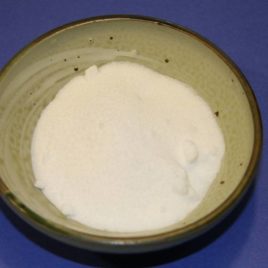
Used in place of vinegar, as a MORDANT on protein fibres when working with acid dyes or food colouring. Many production dyers switch to citric acid because buying jugs and jugs of vinegar gets too expensive, and vinegar makes your house smell like a pickle factory. Citric acid is odour free!
TO USE: dry crystals may be easily weighed at 5 to 8% WOF (weight of fibre). Follow dye instructions for the recommended acid amounts. Just as with vinegar, the point at which you add the acid to the dyepot can make a substantial difference in the end results. Same goes for hand painting and other methods.
TO MIX A VINEGAR SUBSTITUTE: add 200g (approximately 1 cup) of citric acid crystals to 4L of hot tap water in an empty vinegar jug. Cap and shake well until dissolved. This makes a 5% solution that can be measured and used exactly the same as for vinegar in your dye recipes.
Dye solutions containing citric acid may be safely disposed of down the drain (other than septic systems). Some dyers use baking soda to first neutralize the spent dyebath.
CAUTION: wear a mask when handling powders. Wear gloves when handling citric acid powder, as it can cause skin burns. Avoid breathing fumes (just as with vinegar): dye in a well ventilated area.
Pomegranate, Ground Rind
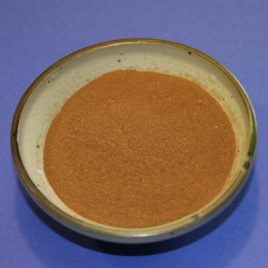
Powdered/ground rind from the rinds of pomegranate fruits, Punica granatum. NOTE: this is NOT EXTRACT. This is the kind to use if you want to try it as a natural mordant.
We list this as a natural dye, but it is sometimes used as a mordant.
Use on protein or cellulose fibres. Yields soft yellows to green-yellows or gold. Substantive but pre-mordanting recommended. Use at 15-20% WOF for medium shades.
TO USE: soak 24 hours in hot water, stirring occasionally, then strain. Place liquid and fibre in dyepot and add more water if necessary. Bring to a high simmer for 1 hour. Let fibre cool in dye liquor for at least one more hour or overnight then wash and rinse.
Light and washfastness: moderate to good.
Tin Mordant
Used as a MORDANT in natural dyeing, which allows the plant pigments to bond with the fibres.
Tin (Stannous chloride) brightens colours and really makes them "pop". However, it is one of the trickier mordants to use, and rather expensive. Some dyers prefer to premordant with tin, while many simply add "a pinch" at the end of the dye process, and heat the fibre for another fifteen minutes or so, cool and then rinse as usual. The amount recommended for this is only 25% of the usual premordanting amounts, below.
Used mainly on protein fibres such as wool, alpaca, silk. Tin can make fibre feel harsh and brittle, so do not exceed the recommended amounts. Yarns can also easily scorch during tin premordanting. Do not pack the pot too full of fibre! An upturned rack, marbles or stones can help keep yarns off the bottom of your pot.
TO USE: Weigh fibre. Calculate mordant required for .5 to 2% WOF (weight of fibre). Weigh tin and dissolve in hot water. Fill pot with sufficient water for the fibre to move, add tin and stir. Enter fibre. Bring to 180-200°F and hold 1 hour. Stir yarns frequently. Cool, remove fibre and wash well. Dye immediately or dry for later. Some dyers add cream of tartar at 5-10% WOF with tin.
Spent mordant solution may be safely disposed of by pouring in a gravel driveway or path.
CAUTION: wear a mask when handling powders. Wear gloves when using tin, as it can be absorbed by the skin. BEST DONE OUTDOORS or with very good ventilation. Avoid breathing fumes.