Back to Natural Dyes

Osage Orange, Shavings
$7.48 – $55.08
Dried shavings from Maclura pomifera, a tree once widely planted in the US and eastern Canada for shetlerbelts. The wood is still used to make archery bows.
Use on protein or cellulose fibres. Pre-mordanting recommended. Strong and fast golden to lemon yellows are produced. Use at 20-50% WOF for medium shades.
TO USE: place shavings in a stocking and soak overnight (or longer) in cold water. Bring to a simmer for 1 hour, cool and remove stocking. Enter premordanted fibre and simmer for 1 hour. Combines well with other dyes such as Logwood. Shavings can be dried and reused.
Light and washfastness: excellent.
Related products

Brazilwood, Sawdust
Sawdust or extract from a tropical tree, Caesalpinia punctata. This species is from southeast Asia and is not the endangered species native to Brazil but still produces good, rich colours. It is also called Sappanwood or Eastern Brazilwood.
Use on protein or cellulose fibres. Best with a premordant. A classic dye that gives rich crimson, purple or pink, depending on the mordant. Brazilwood is very generous and, although expensive, a dyebath can yield up to 7 or 8 successive dips. Have plenty of fibre prepared, soaked and ready! Light and washfastness is rated as average.
SAWDUST: Use at 20-100% WOF for medium to strong shades. Soak in water and/or rubbing alcohol for a few hours. Spread on a tray to air overnight. Add to water and simmer 1 hour. Cool and strain. Observe dyebath colour. If it leans towards scarlet-orange, stir in a teaspoon of Soda Ash to push the pH higher and change the dyebath to more of a purple-red. Add small amounts of Soda Ash until this happens. Enter premordanted fibre to dye liquor and simmer 1 hour.
EXTRACT: Approximately 6 times stronger than sawdust or chips. Use at 20-50% WOF for medium to strong shades. Dissolve in hot tap water and add to dyepot. Adjust pH with Soda Ash as outlined above. Enter premordanted fibre to dye liquor and simmer 1 hour.
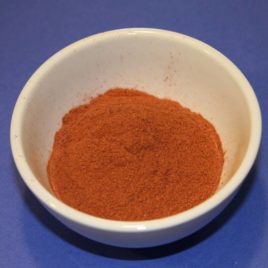
Munjeet, Ground
Ground dried roots of Rubia cordifolia, also called Indian Madder. A very close cousin to regular Madder.
Use on protein or cellulose fibres. Pre-mordanting recommended. Produces dramatic reds, crimson and coral/salmon. Basically follow a recipe for regular Madder. Use at 50-100% WOF for medium shades.
TO USE: simmer in water below 185°F for 30 minutes. Cool overnight, then repeat simmer and strain. Add more water and enter pre-mordanted fibre. Hold below 158°F for one hour. Higher temperatures produce browns.
Light and washfastness: excellent
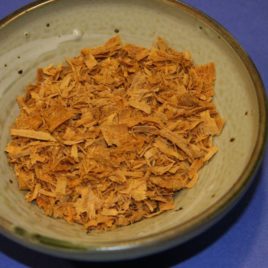
Fustic, Shavings
Shavings from Chlorophora tinctoria often called Old Fustic.
Use on protein or cellulose fibres. Requires a premordant. A classic dye that gives bright yellows through to gold or green, depending on the mordant. Use at 30-50% WOF for medium to strong shades.
TO USE: soak in water overnight to several days. Simmer 1 hour in soaking liquid. Cool, strain then simmer premordanted fibre for 30-60 minutes. Temperatures of 155-160°F will give the best yellows.
Light and washfastness: good to excellent with a mordant.

Madder, Ground
Dried roots of Rubia tinctoria, ground but not into fine dust. We have been once again been able to source true Madder, not Indian Madder.
Use on protein or cellulose fibres. Pre-mordanting recommended. A classic dye, giving dramatic reds, brick-reds to orange and coral. Use at 50-100% WOF (weight of fibre) for medium shades.
TO USE: simmer in water below 185°F for 30 minutes. Cool overnight, then repeat simmer and strain. Add more water and enter pre-mordanted fibre. Hold below 158°F for one hour. Higher temperatures may produce browns rather than oranges or reds, so try to avoid bringing to a high simmer or boil. Ground madder is much easier to work with than the whole dried roots..
Light and washfastness: excellent.